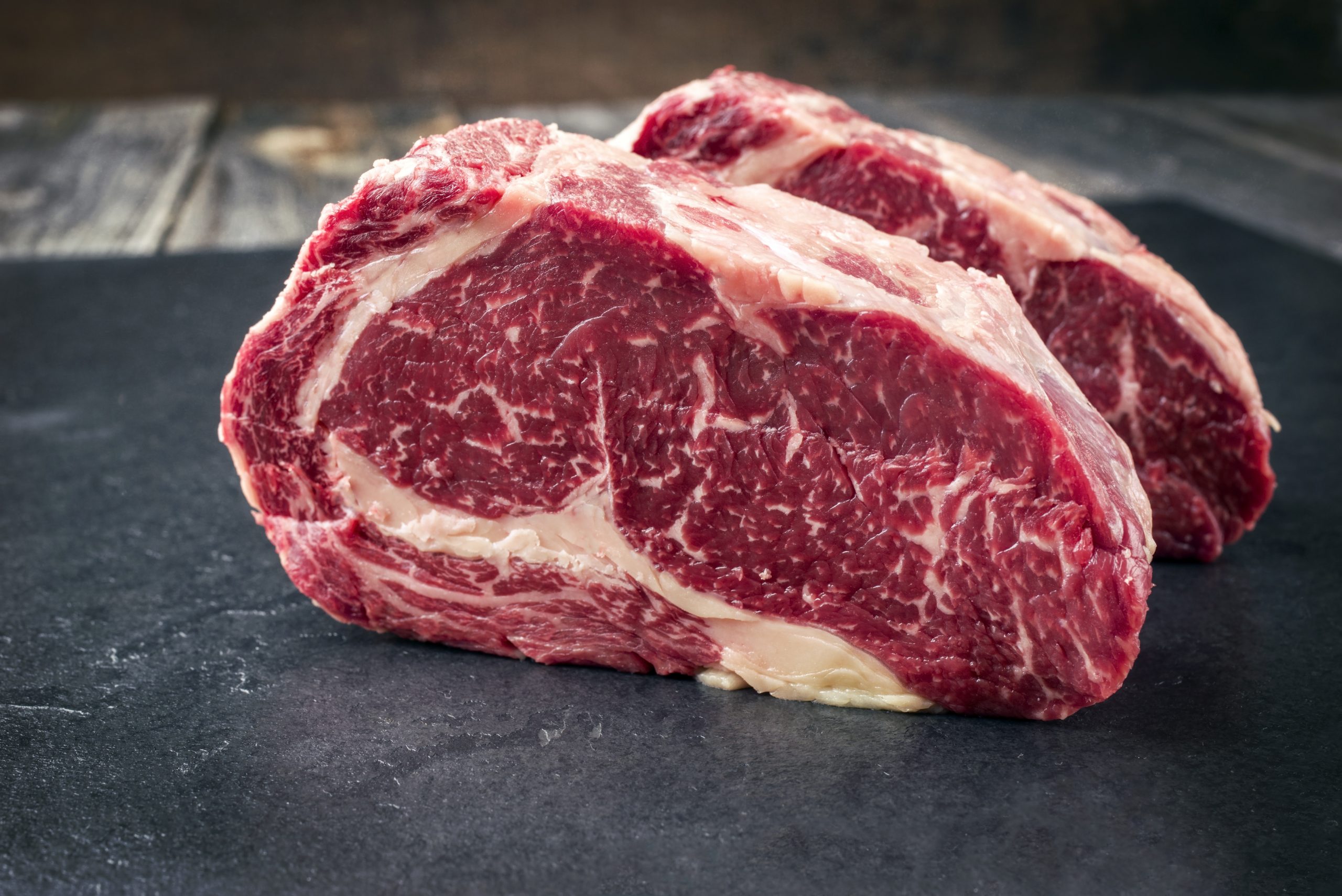
Description
Bison Steaks
cut more or less identically to the beef steaks you’re used to — you’ll find bison filet mignon, bison ribeye, bison T-bones, and just about anything else at a good butcher. The differences between those steaks are similar, as well. The filet mignon is the most tender bison steak, the ribeye has the most marbling.
Taste
Bison tends to have a lighter, more delicate flavor than beef, a flavor some describe a slightly sweeter. Bison meat is considerably high in iron, too, which gives it a unique flavor that many people describe as “earthy” or “mineral.” This flavor is not overwhelming, though — bison is not “gamey” in the slightest.
Color/Appearance
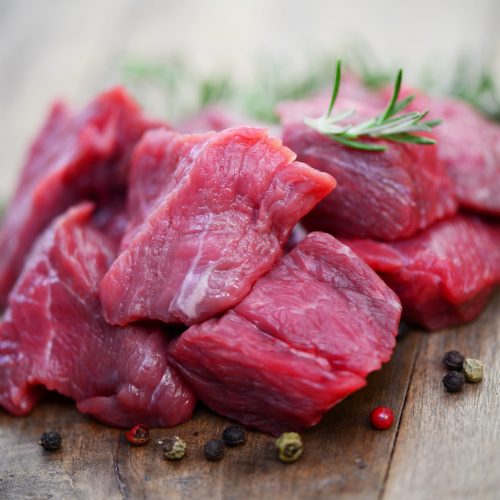
That high iron content in bison gives the raw meat a beautiful bright red color. When cooked, it sears and browns similarly to beef and may not look any different on the plate.
Preparation
Cooking bison is just as easy as cooking beef. Bison steaks can be grilled, pan-seared, cook sous vide, or any combination of these methods. The target cooking temperatures for rare, medium-rare, etc. are the same.
Nutrition
Bison tends to have fewer calories and fat per serving than its beef counterparts, making it a frequent choice of the health-conscious eater. It’s also high in iron, rich in selenium — which helps naturally fight inflammation and acts as an antioxidant — and plentiful in other vitamins vital and helpful to the human body.
How does Bison Ribeye Hold up again Beef ribeye?
|
Bison Ribeye |
227g |
Beef Ribeye |
227g |
|
Calories |
410 |
Calories |
450 |
|
Total Fat |
22g |
Total Fat |
50g |
|
Iron |
80% |
Iron |
25% |